You can read past seasonal newsletters here. Click subscribe to rewild your inbox!
Honeysuckle Cordial
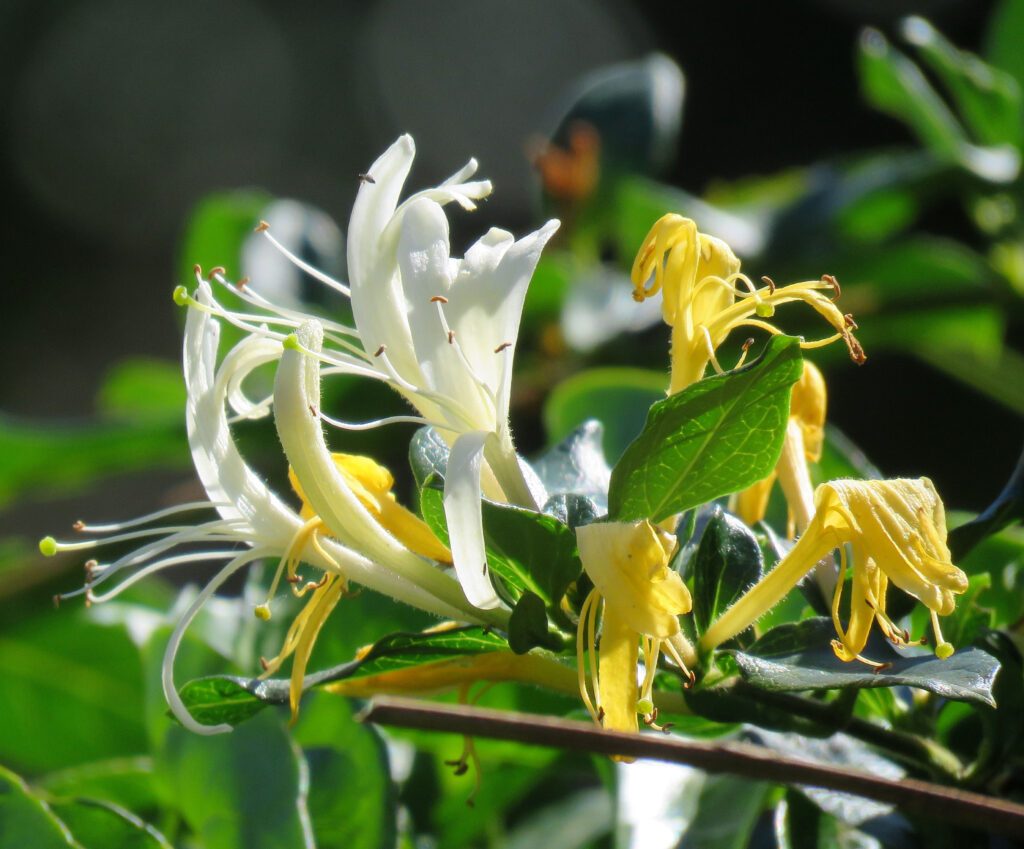
On sunny summer days, the fragrance of honeysuckle fills the air. The best way to capture the scent is in a cordial.
Honeysuckle twists enthusiastically up trees, smothering shrubs and out-competing indigenous plants along riverbanks. Even if you have been carefully removing new patches, chances are you still have some in your hedges and fences, so you might as well use the fragrant flowers.
Honeysuckle flowers and berries have been used traditionally as remedies for bacterial and viral infections and are apparently high in antioxidants and anti-inflammatory components.
I am not too concerned about their health benefits, just the glorious fragrant cordial. If you leave it unattended it continues fermenting and gets really fizzy. I haven’t tried, but I see it is possible to make honeysuckle champagne.
My recipe:
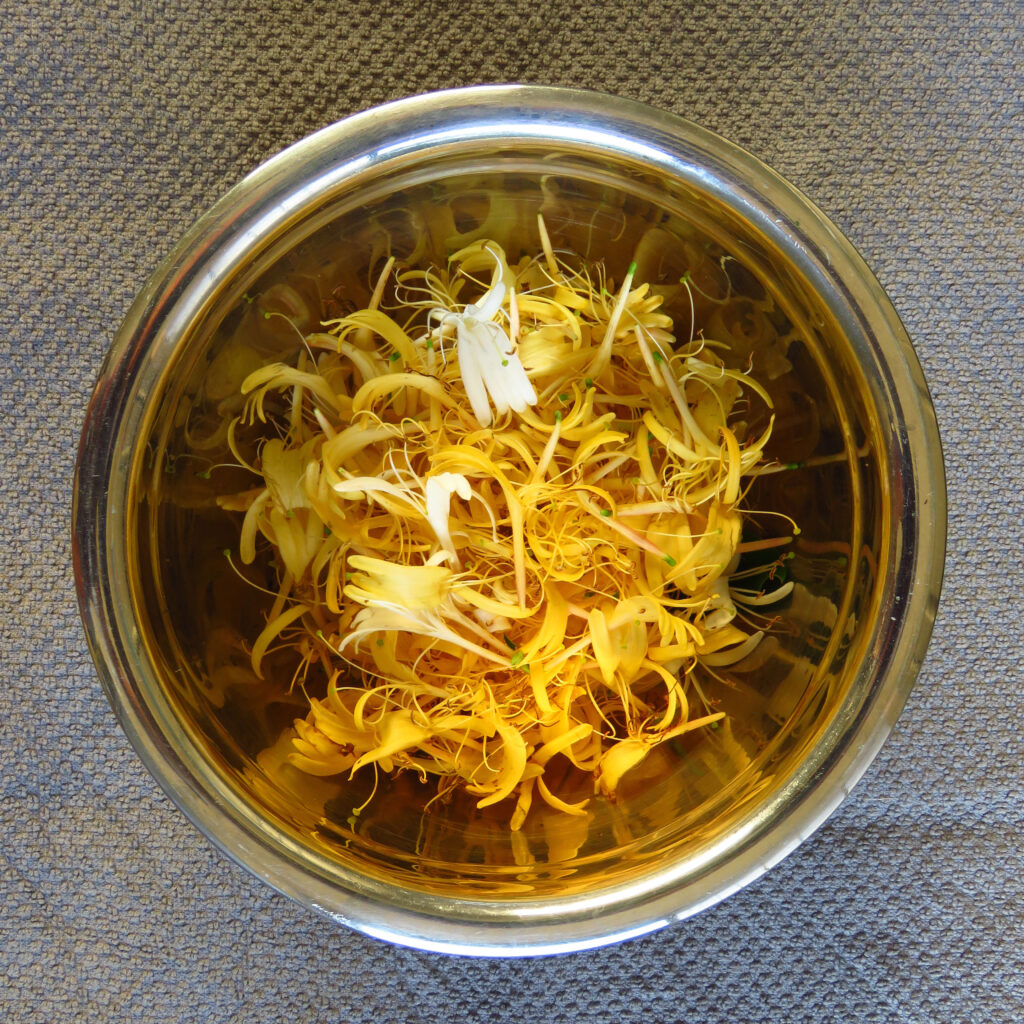
- 1 cup of fresh flowers
- 400 ml water
- 130g sugar
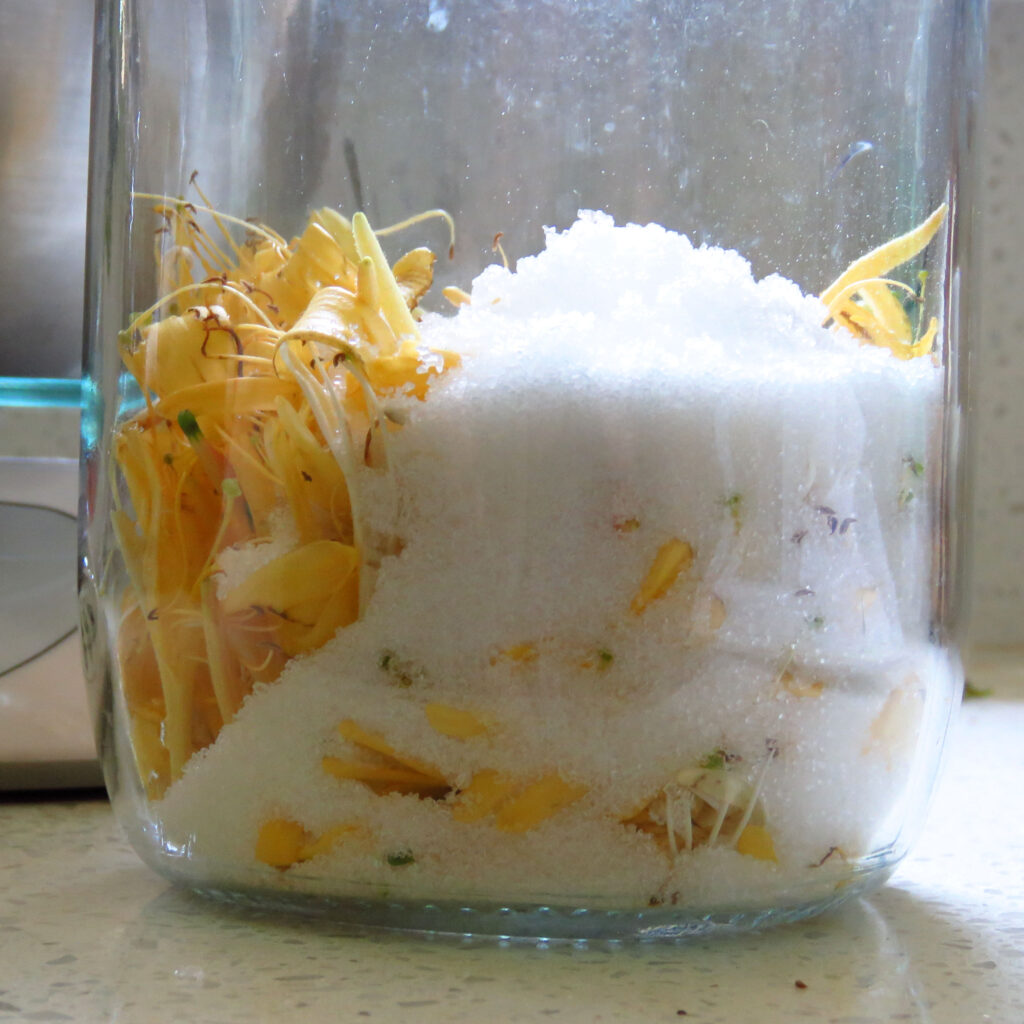
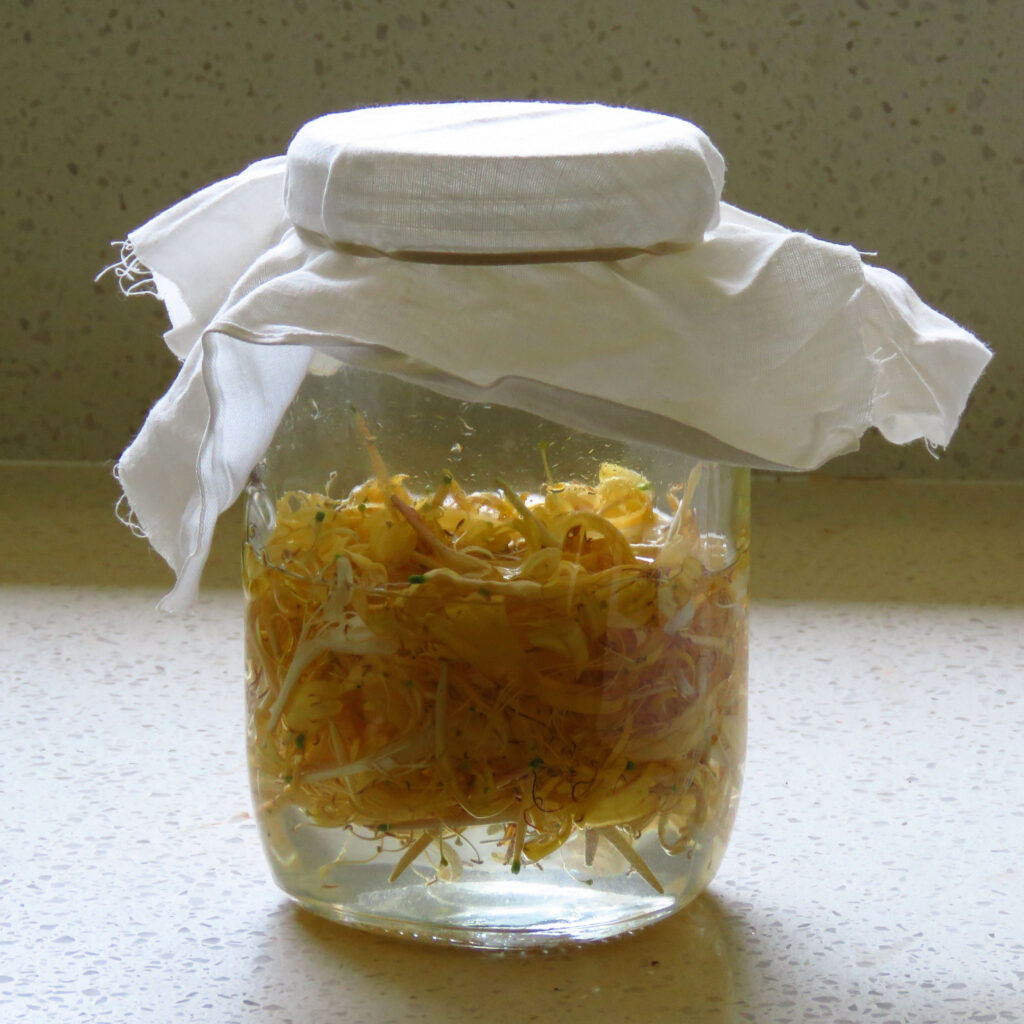
Combine all the ingredients in a wide-necked jar and stir to dissolve the sugar. Cover with a piece of muslin kept in place with an elastic band. Stir the mixture every day. You will notice bubbles starting to form after a few days. Then it is ready to strain and bottle. I keep my bottles in the fridge so that the fermenting stops and there are no explosions.
Magnolia officialis
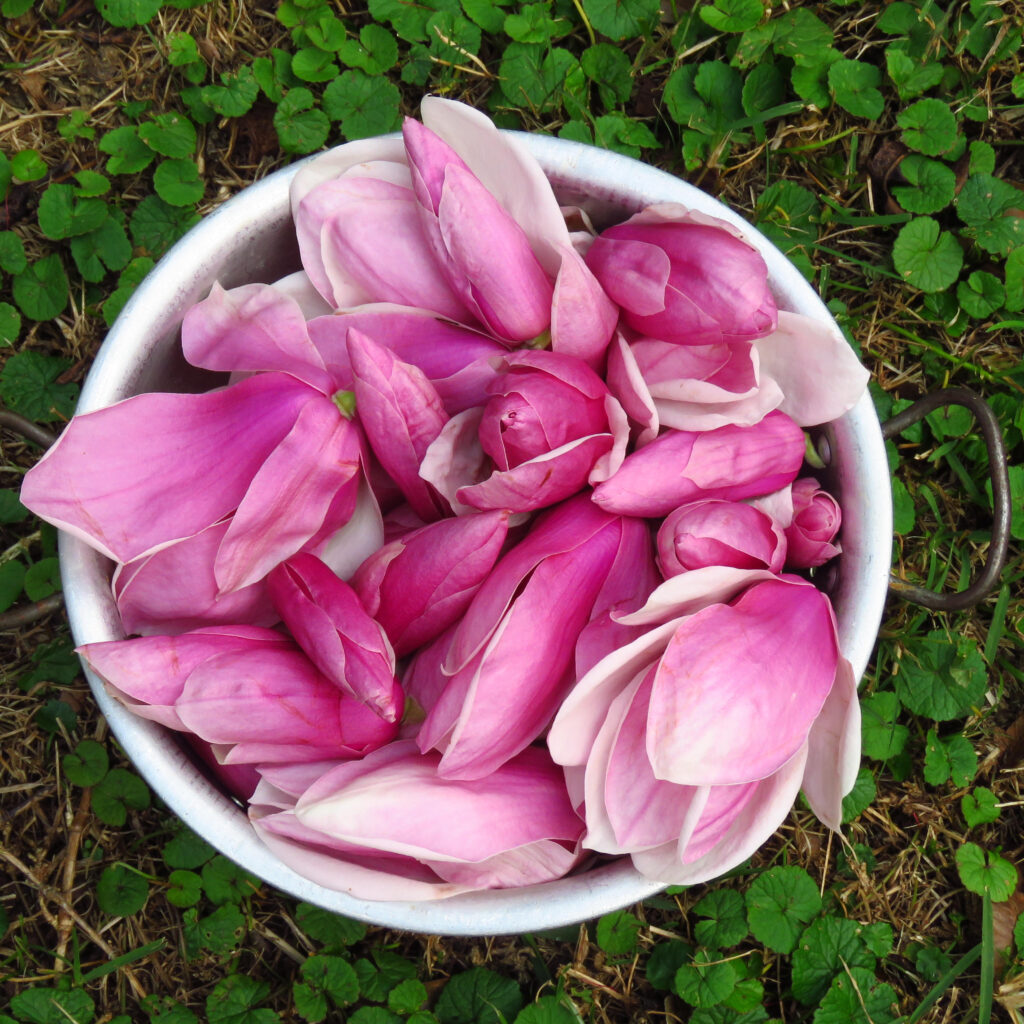
Picking these buds and peeling off the petal to reveal the beautiful cone inside is a delight in Spring. Turning these pink treasures into cordial, pickles or vinegar is even more fun.
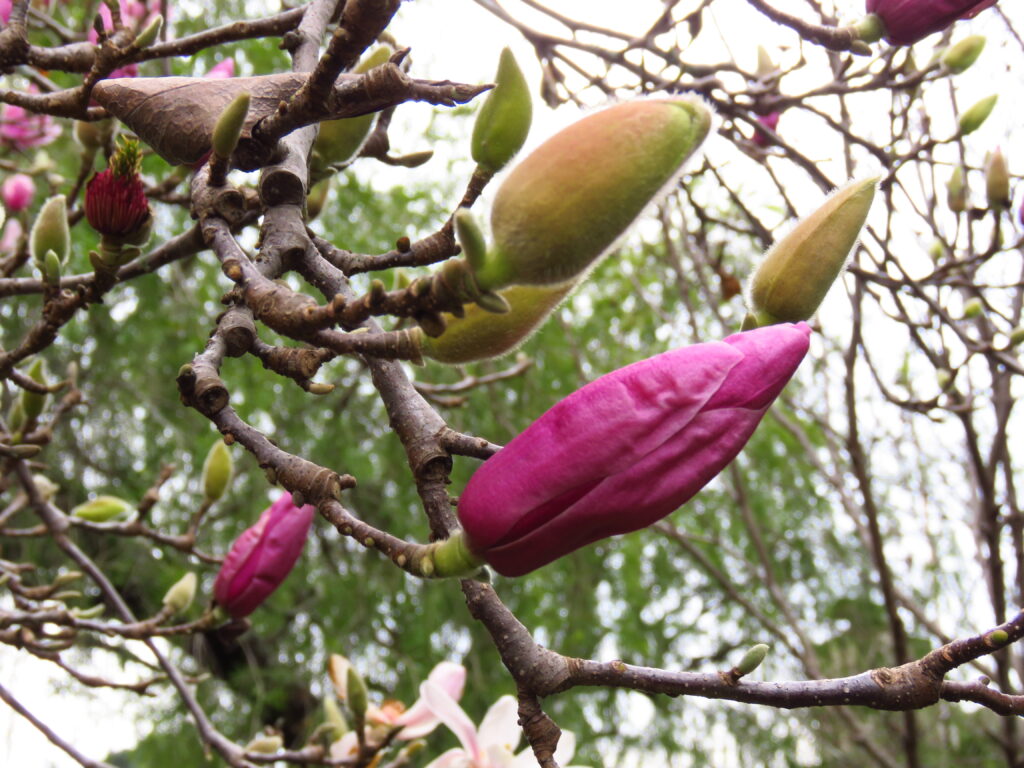
Magnolia is originally from China and Japan but has become a much-loved garden shrub across the world. Magnificent in early spring when the flowers appear in profusion on the bare branches. They can be eaten raw – tasting of pine and ginger. I like them in salads, but do choose the younger ones as they get a little bitter with age.
Magnolias are rich in Vitamin C, have the ability to relieve stress and anxiety, have anti-inflammatory properties, and are beneficial for heart health, can lower blood pressure and cholesterol levels. Records show that magnolia flowers have been used in Chinese medicine since 100 AD
My pickle recipe:
- 1 cups of apple cider vinegar
- 1 cup of water
- 3 tablespoons of white sugar
- 1 tablespoon of kalahari salt
- A slice of fresh ginger
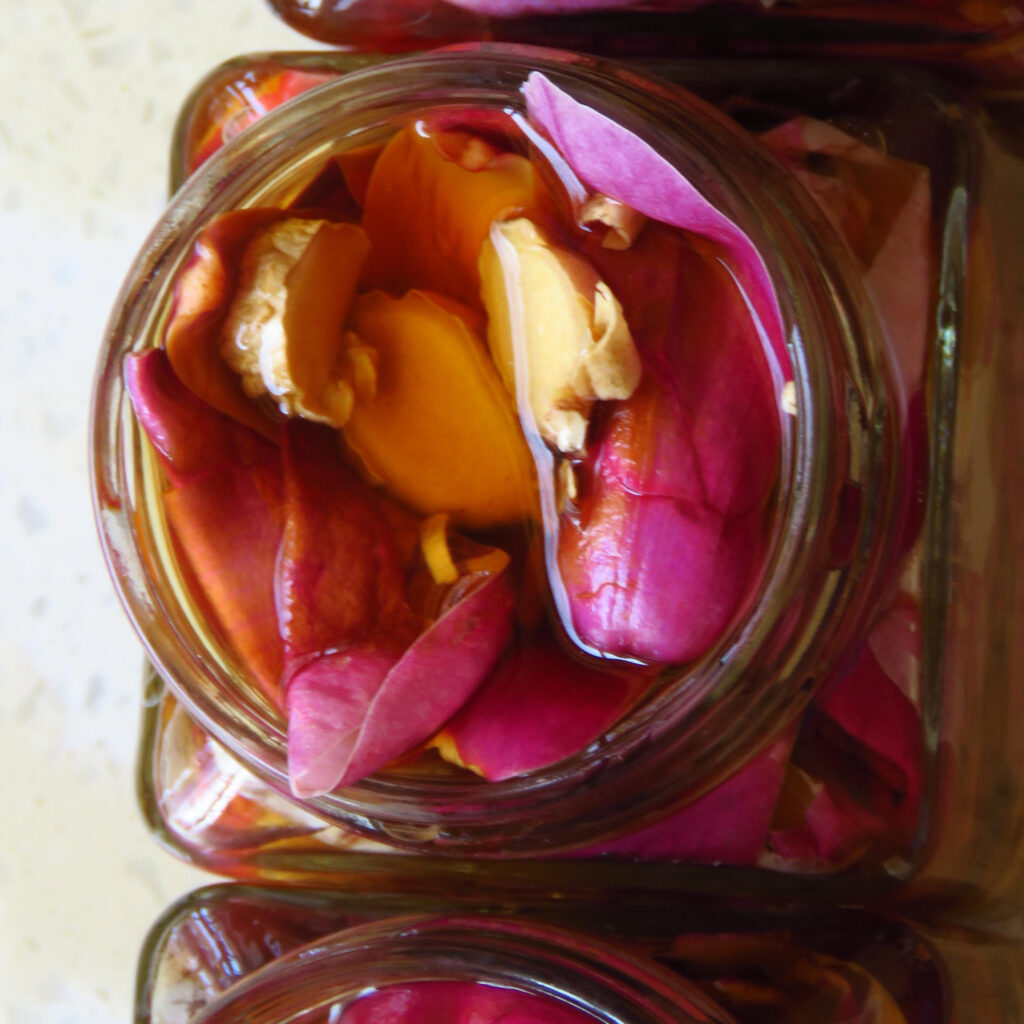
Stuff clean glass jars with magnolia petals. Heat the pickle mixture and pour into the jar to completely cover the flowers. Tuck in one of the slices of ginger. Seal tightly. Store in a cupboard. They are ready to eat after a week or so, but last for a year if unopened. I store the jar in the fridge once I have opened it. Pickled petals are perfect replacement for pickled ginger on sushi. I like them on sandwiches, with smashed avo, in salads or with cheese.

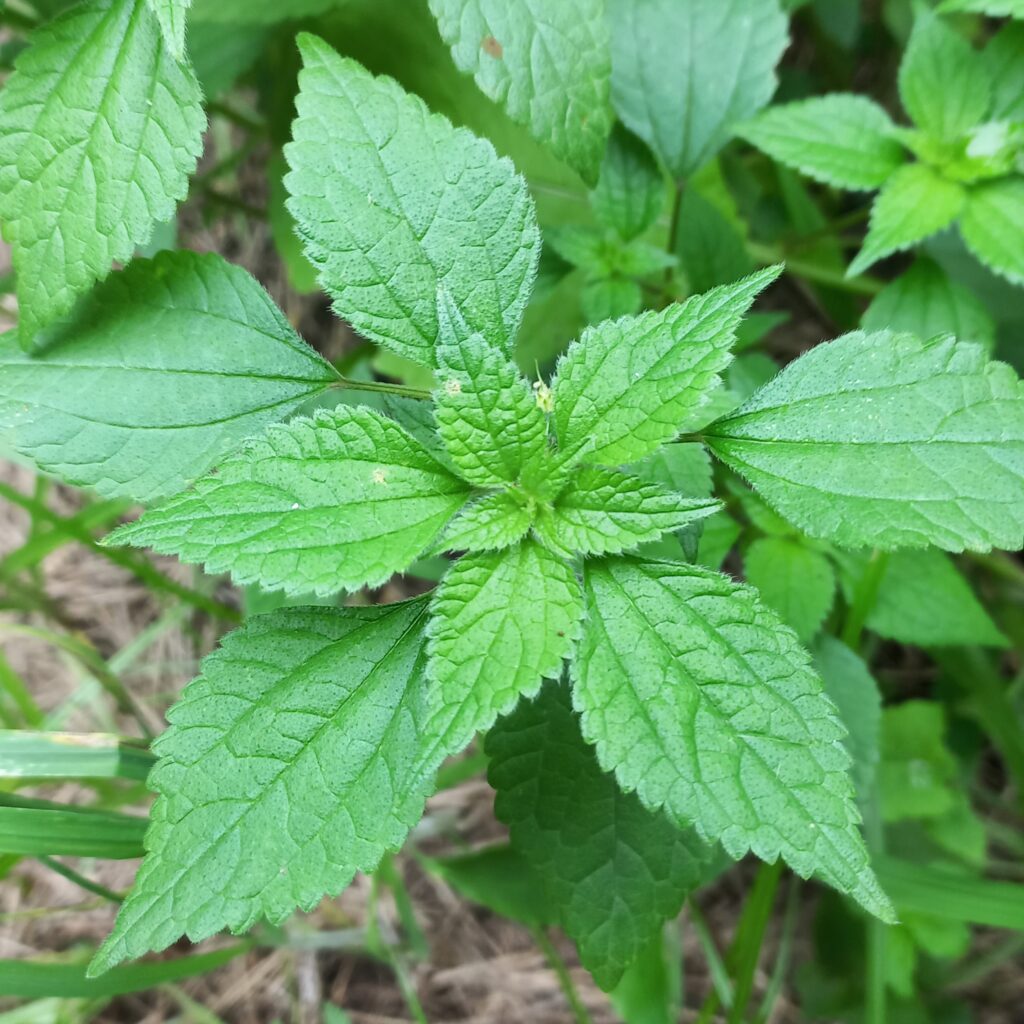
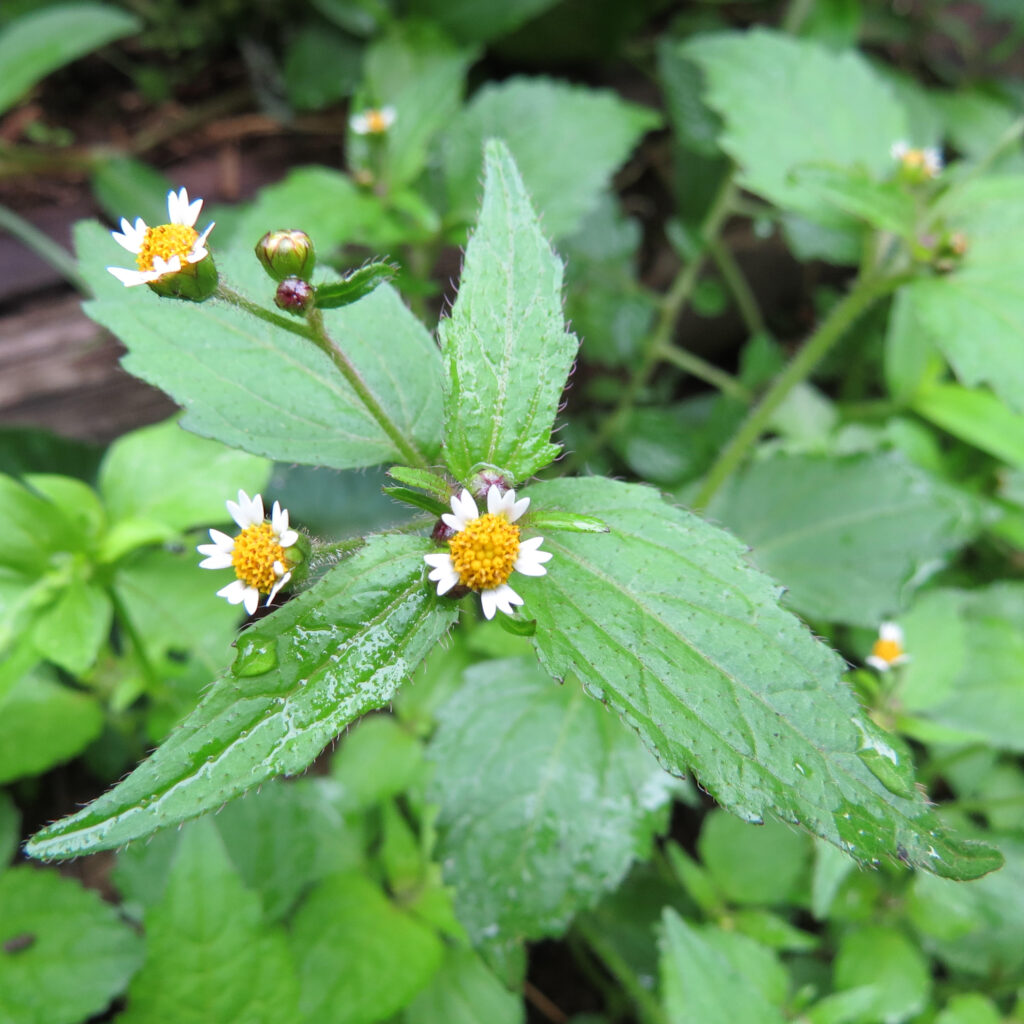
Galinsoga parvifolia, gallant soldier, isishukeyane, quick weed, umcaleka
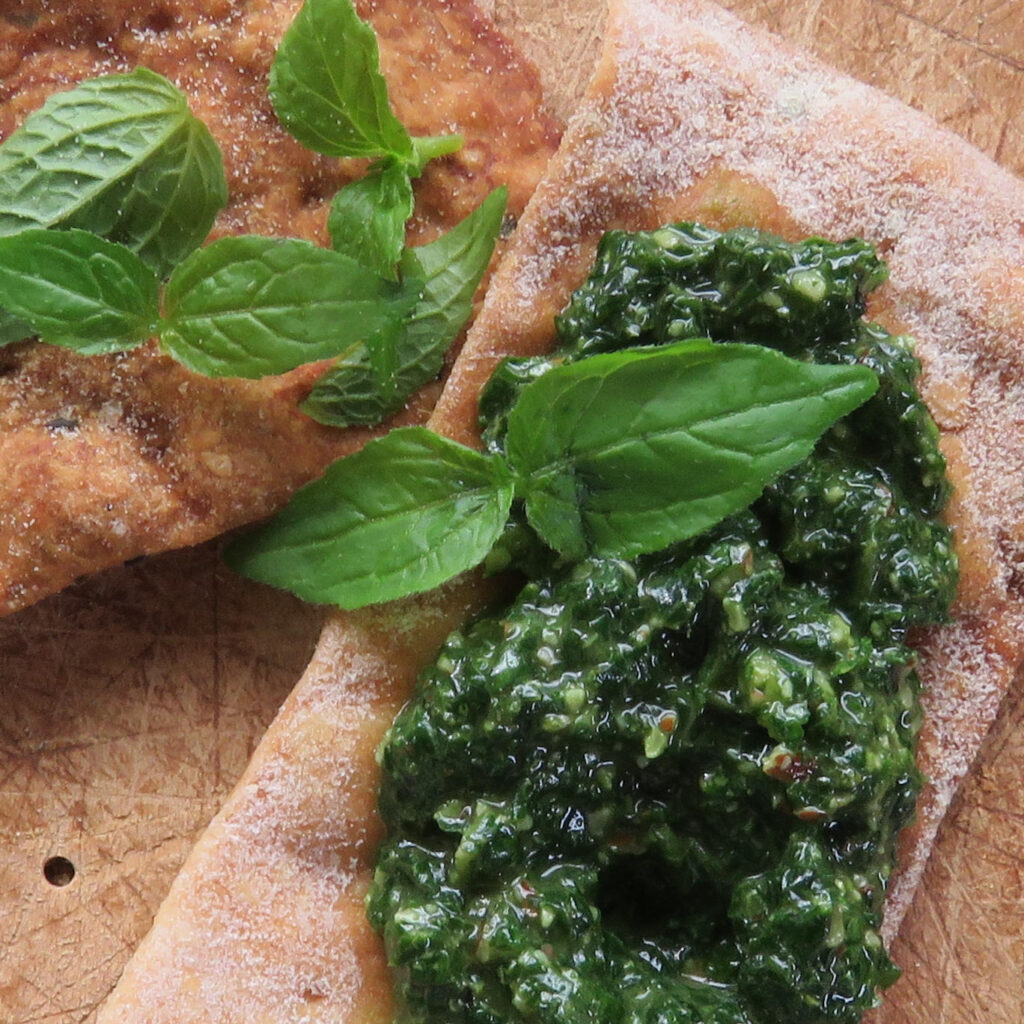
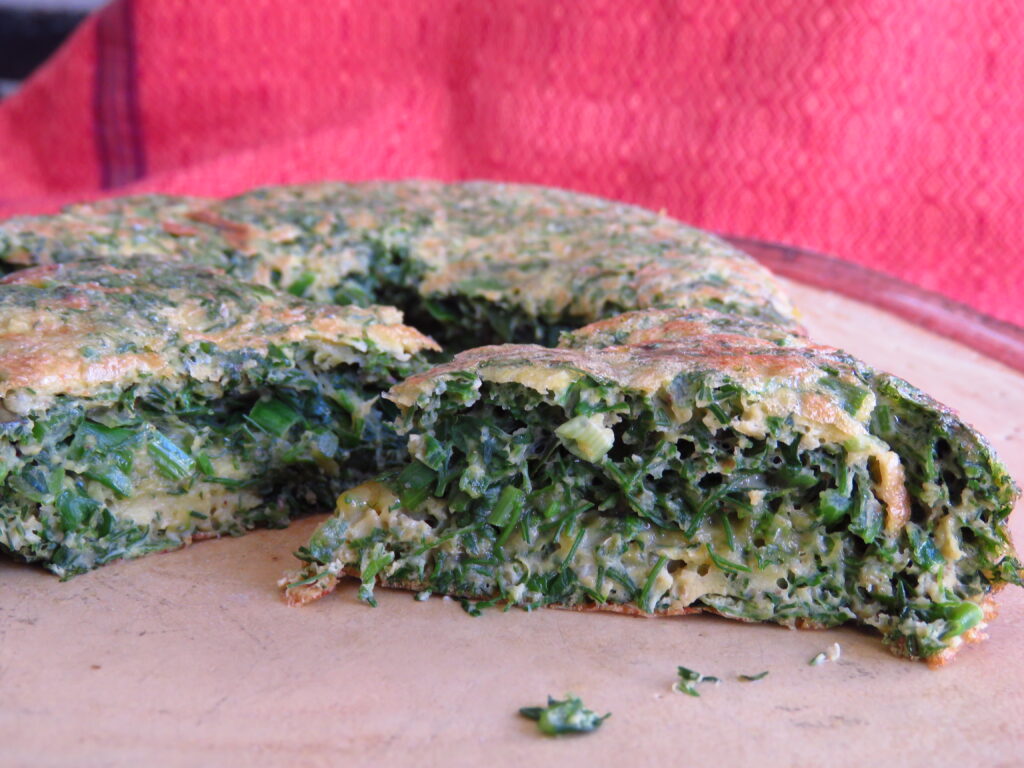
Young leaves, cooked or raw are rich in calcium, vitamins C and A. They make a good pesto, but are lovely added to anything, tossed in a salad, or cooked on their own as a side dish. I like to use them to make green eggs – loads and loads of herbs and greens scrambled into eggs, with a teaspoon of flour and a few spring onion tops. They taste a bit like Jerusalem artichokes or peas.
Although originally from Central America, gallant soldier is widespread in Africa usually found in damp shady areas, particularly in Autumn. It reproduces prolifically in a short space of time, often new seedlings come up like a carpet of bright green. It is easy to snip the young stems off with scissors. Usually, they are eaten without the flowers which makes sense because once a plant puts all its energy into flowering, the nutritional value of the leaves must be reduced.
Chickens love this plant, as do rabbits and pigs.
My pesto recipe:
- 2 cups of gallant soldier leaves
- a handful of Karoo almonds
- crushed clove of garlic
- 100ml olive oil
- Kalahari salt to taste
Blitz the almond to a powder. Add the leaves, salt, garlic and blitz again. You may need to add the leaves in small batches, depending on the size of your blender. when leaves are well chopped, add the oil and mix again. Check the seasoning. I enjoy this pesto served with Bramleigh Farm sourdough crackers – but it would be great with pasta or gnocchi. Keep the jar in the fridge – it won’t last long.